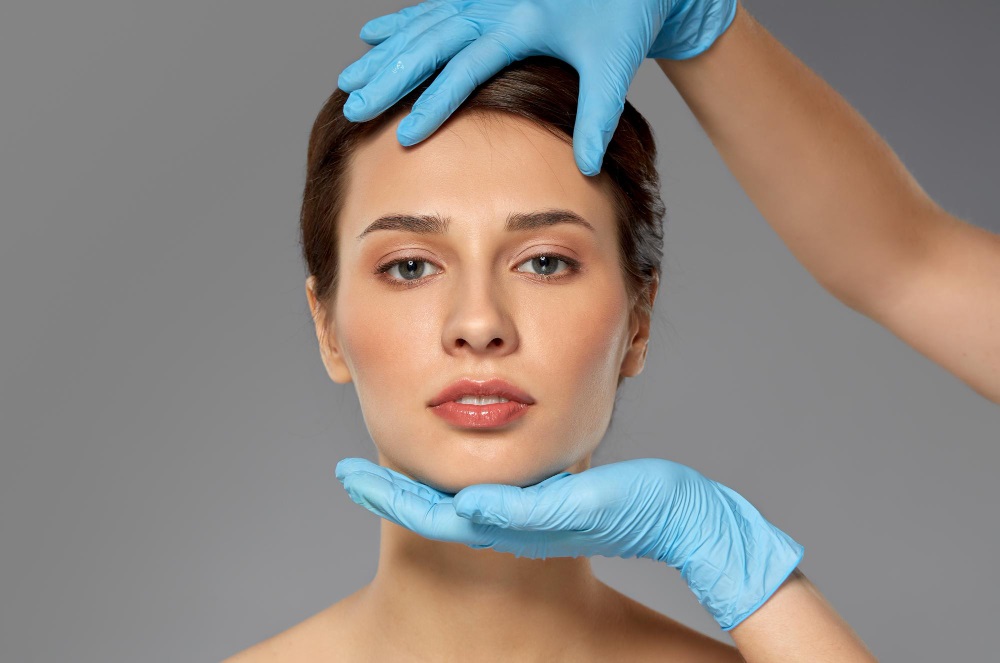
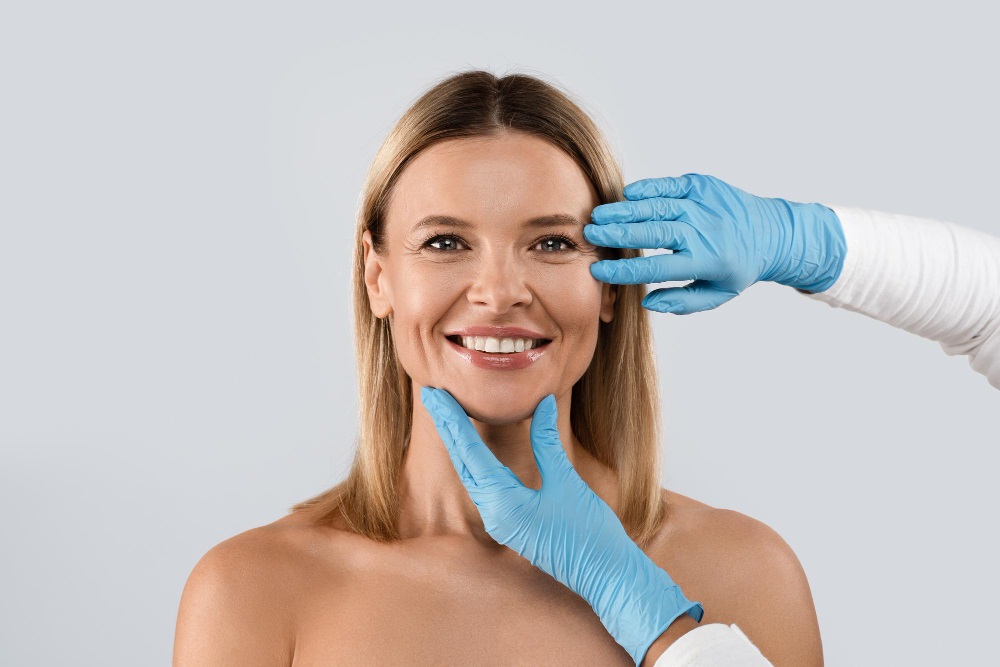
The facelift is one of the most sought-after procedures today. Since signs of aging are completely individual, it is popular in all age groups, among men and women, but it is most common between the ages of thirty and fifty. Constantly developing and improving methods provide an almost painless and discreet solution to the problem of premature aging of the face and all changes.
| Operation Duration | Length of hospitalization | Recovery Time |
| 2-5 hours | 1 day | 2-3 weeks |
Thanks to the skill of an experienced operator and an adequately selected type of operation, you can expect a stunning rejuvenation of the face. This will delay the signs of aging for several years and help you feel great again.
Facial changes caused by aging don’t happen suddenly; it develops slowly and involves different parts of the face at different stages. As a result of aging, there is a decrease in the elasticity of the skin, it decreases, and it loses its firmness and elasticity. Its excess occurs primarily in the lower jaw, chin, and mouth corners. Gravity aids these changes and causes the patient to look tired even if they don’t feel it.
Today, there is no need to wait for the irreversible changes of aging to be reflected on the face. A facelift doesn’t stop the aging process but can delay its symptoms for several years. The final result is always better if the procedure does at a younger age. As the general population ages, more men and women are experiencing the benefits of facelift operations, as many older individuals continue to work and are healthy. They are the ones who want to look good.
A facelift is designed to improve various areas of the face. Loose, sagging skin and muscle folds that occur on the front and neck due to aging are removed by a facelift. Facelifts are performed in several variants, depending on the individual clients’ anatomy and degree of aging. It always depends on the quality of the skin, its subcutaneous tissue, and the amount of subcutaneous fat.
The skin, muscles, and adipose tissue in the face and neck area tighten, and a youthful appearance restore. By pulling the more profound layers under the skin, surgeons achieve better skin closure and a more permanent result. Incisions may vary slightly from patient to patient to best correct the most critical deformities. After healing, the resulting scar is only slight, visible only in the area of the temple folds or behind the earlobe, depending on the type of incision.
What is Facelift?
A facelift is a facial surgery in which the skin of the face, and sometimes the neck, is removed by removing the excess skin and strengthening it. Surgeons often perform the procedure under general anesthesia, which takes about 1.5-3 hours. The hospital stay is one day, and the specialists remove the total head bandage after a few days. Recovery usually takes 1-2 weeks; in a month, significant physical exertion is possible.
Deep wrinkles, called nasolabial folds, form between the nose and mouth. There is sagging of the skin, especially in the lower jaw and neck area. Cheeks drop, so does the forehead full of wrinkles, and a second chin begins to appear. There are folds on the neck with significantly loose skin in the chin area. Professionals can relieve these symptoms very effectively using face and neck surgery. The history of a facelift is ancient, and procedure methods are constantly developing. This procedure usually does alone. However, surgeons can also combine it with other modifications in this area, such as eyelid surgery.
If you’re considering a facelift, these lines will give you basic information about who it’s suitable for, how it does, and what results in you can expect (e.g., wrinkle removal). The facelift procedure and method may differ more or less from the information provided due to the operator’s approach to a particular patient.
A good facelift result always depends on understanding and cooperation between the patient and the surgeon. So don’t be afraid to ask your doctor to explain anything you don’t understand.
Remember that this method doesn’t resolve all signs of visible aging. It lifts the sagging parts of the face due to gravity, especially the lower third. For this reason, other procedures such as eyelid correction, under-eye bags, forehead lifts, and liposuction often associate with facelifts. In addition, fine vertical wrinkles on the upper and lower lips, forehead wrinkles, and fine wrinkles will not be affected much by this operation. The intervention of an experienced doctor can effectively reduce and remove wrinkles without the need for plastic surgery or any improvement.
Anyone considering a facelift wonders how much improvement to expect. The progress depends on the facial skin’s age and the client’s genetic predisposition. But the result is usually a dramatic improvement in your condition and a complete disappearance of your tired expressions.
Who Should Have Facelift Procedure?
The facelift is applied both to women and increasingly to men today. The indication for surgery is a more obvious opening of the skin in the face and neck region. An obvious prerequisite is the good general health of the patient. However, if the signs of aging mentioned above occur earlier than usual, this procedure can also be performed in young people. At the same time, if the necessary medical conditions for the operation meet in older adults, the process is in question.
A facelift makes you look younger and fresher. Before deciding on the procedure, carefully consider your expectations and discuss them with the operating doctor. Considering the face type, skin quality, and elasticity, we can expect maximum effect when a facelift performs in the optimal age range. The ideal age group for this procedure is 50-60.
First of all, you should time the facial plastic surgery correctly. You should only continue the facelift when the facial skin is more noticeably relaxed (mainly in the cheek and neck areas in the lower half of the lower jaw arch). The structure of facial tissues has significantly reduced elasticity. In this case, the effect of facial aesthetic surgery will be long-lasting (8-10 years on average).
What are the Risks of the Facelift Process?
A facelift is a surgical procedure. Therefore, it may accompany general complications related to the operation, such as increased bleeding, infection in the wound, or excessive scarring. If bleeding, redness, increased pain, or fever appear in the already healed area, it is appropriate to consult a doctor who can effectively prevent complications.
Late and rare complications after facelift surgery may decrease or impair facial, lip, and mouth expression. A violation of the nerve conduction of the facial nerves causes these complications. This problem requires long-term special rehabilitation of facial muscles and supportive vitamin therapy. Check out the risks of the facelift in general:
- Bleeding: The most common complication after surgery is post-operative bleeding. This bleeding can prolong the healing and resorption of swelling and bruises for weeks.
- Infection and inflammation: Infection and subsequent inflammatory complications can also cause problems. However, you can avoid these by applying preventive antibiotics, disinfection, and following recommended hygiene rules.
- Decreased facial expression: Post-procedure complications may include reduced or impaired facial expression or lip and mouth expression. These complications are relatively rare and result from a violation of nerve conduction of the facial nerves. Their regeneration is relatively long-term. It usually requires several weeks, special rehabilitation of facial muscles, and supportive treatment with vitamins. The temporary slight decrease in the sensitivity of the facial skin will disappear after a few weeks.
- Poor healing of scars: Another problem after the procedure can be scars that develop gradually and increase, mainly behind the auricle, sometimes around the lobes. This depends on each individual’s healing abilities.
What Will You Encounter During a Facelift Consultation?
If you decide to have a facelift, you will always need a consultation with your surgeon. Although the healing and regeneration of facial tissues are always perfect and relatively fast, you should know that the surgical burden and the postoperative period are more significant. A complete pre-operative examination is necessary. A prerequisite for this procedure is excellent and stable general health. There should be no acute or inflammatory disease or skin disease three weeks before the facelift.
The facelift plastic surgeon you have chosen will tell you the surgery procedure and the anesthesia method. In addition, the specialist will inform you about the possible risks associated with the operation. Don’t hesitate to ask your doctor any questions, especially your expectations and concerns about the results of a facelift. Your doctor will explain how to prepare for surgery, including instructions on eating and drinking, smoking, and taking or not taking certain medications.
Following all these tips is essential and will help the procedure go smoothly and heal smoothly. Before the planned facelift, you should arrange a vehicle for the house and, if necessary, arrange assistance in the first days after the operation.
How Should You Prepare for the Facelift Procedure?
A facelift is a surgical procedure used to improve the appearance of the face by tightening and smoothing the skin on the face and neck. Considering a facelift, it is essential to carefully prepare for the procedure to ensure you have the best possible outcome. Here are some steps you can take to prepare for a facelift:
- Choose a reputable and experienced plastic surgeon: You must choose a qualified and experienced plastic surgeon to perform the procedure. You should do your research and seek references from previous patients.
- Discuss your expectations and goals: Before the procedure, you must have a candid conversation with your surgeon about your expectations and goals from the system. Your surgeon should be able to give you an idea of what to expect and help you set realistic goals.
- Quit smoking: Smoking can significantly affect the healing process and increase the risk of complications after surgery. It is crucial to quit smoking at least six weeks before and after the procedure.
- Avoid certain medications: Some medications, such as aspirin and nonsteroidal anti-inflammatory drugs (NSAIDs), can increase the risk of bleeding during surgery. It would be best if you talked to your surgeon about all medications you are taking and followed their instructions for stopping or continuing certain medications.
- Prepare your home: You should arrange for someone to drive you home after the procedure and stay with you for 24 hours. It’s also a good idea to seek help at home for up to the first week after the process.
- Follow pre-operative instructions: Your surgeon will give you specific instructions before the procedure, such as avoiding certain foods and drinks and taking or avoiding certain medications. It is essential to follow these instructions carefully for the best possible result.
What are the Most Popular Types of Facelift Procedures?
As we said, this surgical procedure tightens the skin in the face and neck area and improves its appearance. There are many different types of this procedure, and check out the most popular types of facelift procedures:
- Mini facelift: A mini facelift is a milder facelift procedure that tightens the skin in the lower part of the face. This procedure often uses to remove light lines and wrinkles on the front.
- Mid-facelift: Mid-facelift, also known as a limited facelift, is a procedure that tightens the skin in the middle part of the face. This procedure often removes lines and wrinkles in the upper part of the face.
- Full facelift: This procedure tightens the skin in all parts of the face. This procedure often removes lines and wrinkles on all aspects of the face.
- Combination of face and neck lift: This combination is a procedure that tightens the skin in the front and neck area. This procedure often removes lines and wrinkles on the face and neck area.
- Endoscopic facelift: This procedure tightens the skin and repositions tissues in the face and neck area. In this procedure, specialists use an endoscope and a small camera.
How is Facelift Procedure Performed?
This process is relatively fast and highly reliable. Check out the facelift procedure steps in general:
- Anesthesia
The procedure performs with a combination of local and general anesthesia.
- Process
After the general disinfection of the face and hair, the procedure begins with an incision made by the surgeon from the hairy part of the temple area down right in front of the auricle. The length of the cut depends on the required scope of the operation.
After the surgeon makes the incision, the face and neck skin releases from the base, and the excess skin are measured and removed. In addition, it is necessary to carry out another lifting, which is the displacement and strengthening of the fibrous, muscular, and subcutaneous structures.
Finally, the specialist carefully sutures the skin edges using intradermal sutures in visible places and individual sutures at the hairline and behind the auricle. For the procedure, surgeons can use both absorbable and non-absorbable materials. In most cases, the specialist will insert thin tube drains over 24 hours to control minor bleeding. Facial aesthetic surgery completes by applying a total head bandage.
What to Consider After Facelift Procedure?
If you have recently had a facelift, taking good care of yourself is essential to ensure the best possible outcome and facilitate the healing process. Here are a few things to consider after a facelift:
- Follow your surgeon’s instructions: Your surgeon will provide specific instructions for caring for your incisions and managing any pain or discomfort you may experience. It is essential to follow these instructions carefully for the best possible result.
- Stay calm: After a facelift, you should stay calm and avoid strenuous activities for at least a few weeks.
- Use a cold compress: You may experience swelling and bruising after a facelift. Applying a cold compress to the affected area can help reduce swelling and discomfort.
- Avoid sun exposure: Protecting your skin from the sun after a facelift is crucial, as it may be more sensitive to UV rays. Use high-SPF sunscreen and a hat when outside and avoid prolonged exposure to the sun.
- Drink water: It’s essential to drink plenty of water after the procedure to help keep your body hydrated and facilitate the healing process.
- Avoid alcohol: Alcohol can affect the healing process and increase the risk of complications after surgery. It is vital to abstain from alcohol for at least a few weeks after the procedure.
- Get plenty of rest: It’s essential for your body to heal and recover after a facelift. Avoid physically demanding activities and try to get plenty of sleep.
What is the Recovery Process After Facelift?
The healing process is individual and depends on each individual’s healing abilities and overall approach. Your recovery process increases the chances of success of the procedure. Check out the facelift recovery process:
- Hospitalization and drains: After facelift surgery, hospitalization is required at least until the second day of the first dressing. However, according to the doctor’s instructions, the overall bandage remains in place for 3-5 days after the operation.
- Sleep: Maintain your supine position with your head up, especially in the first days after surgery.
- Swelling, bruising, and pain: Swelling of the face and eyelids, and sometimes even subcutaneous bruises, are part of the expected postoperative course in the first days after surgery. Swelling and bruises on the face gradually regress and usually disappear within 7-10 days. Body temperature may also rise to 38 C temporarily for 1-2 days. Therefore, it is necessary to observe a rest regimen and apply cold compresses to the cheeks and eyelids. There is usually no postoperative pain after the procedure. Instead, it’s an unpleasant pressure from the bandage and limited possibilities of positioning the head.
- Hygiene: After removing the bandage, you must wash your hair repeatedly. Further healing usually takes place without applications.
- Examinations and dressings: Further studies and sauces after removing the bandage are always subject to the doctor’s instructions. Depending on the healing status, the specialists remove the sutures gradually, usually within 10-14 days. A rest period of 10-14 days should follow by a rest period in which head and neck movements restrict. You should gradually add physical load. You can start with an average load, such as exercise, about one month after the surgery.
- Make-up: You can mask after a facelift about a week after getting your stitches from the specialist. You can dye your hair 4-6 weeks after the operation.
After healing, you should wait a few weeks for the facial and neck tissues to stabilize due to the size of the surgery. It is a normal phenomenon, accompanied by a pulling sensation when moving and a violation of acceptable touch sensitivity in the operated areas. It gradually improves over a few weeks. There may be temporary mild swelling and skin leakage for a few weeks after the procedure, especially in the hot season. At least 2-3 months after this procedure, the face should not be exposed to intense sun rays actively, and you should protect your face with creams with high protection while staying in the sun.
How Long After Facelift Will You See the Final Result?
You will see the final results of the facelift within 1-2 months after the procedure. The permissible and maximum range of the skin of the face and neck is quite individual, just like the range of wrinkles. It would be best to focus on each part separately, even during a facelift. Sometimes it is necessary to focus more on the neck area and the lower jaw angle.
Likewise, the size and depth of wrinkles are very different. You must realize that wrinkles merely reflect your familiar facial expressions and the skin’s ability to more or less balance the pull of facial muscles. During the facelift, the specialist closes the skin. Thus, mimic wrinkles soften. However, experts don’t interfere with your facial muscle expression during the operation. For this reason, it is necessary to wait for these wrinkles to start to form gradually or to deepen again.
In general, we can say that a facelift’s better and longer-lasting effect is always on a thinner face and softer skin. With a rounder face type with a more significant layer of subcutaneous fat, you won’t get such a substantial reduction in the skin. But the advantage here is the absence of fine facial wrinkles.
How Much Does Facelift Cost?
Facelift costs can vary widely depending on several factors, including the complexity of the procedure, the surgeon’s experience, and the location of the practice. However, the prices you see online are only an average, and the actual cost may be higher or lower depending on the specific details of the procedure. It is essential to discuss the cost of the process with your surgeon before making a decision. The cost of a facelift can vary depending on several factors, including:
- The complexity of the procedure: The price of a facelift can vary depending on the size of the surgery and the amount of work needed. A more complex process may be more expensive than a simpler one.
- Experience of the surgeon: The cost of the surgery may also vary according to the occasion and reputation of the surgeon. Surgeons with more experience and a good reputation may charge more for their services.
- Location of the practice: The cost of the procedure may vary depending on the location of the course. In general, medical procedures tend to be more expensive in large cities and developed countries.
- Type of anesthesia: The cost of the procedure may also vary depending on the type of anesthesia you prefer. General anesthesia used to put you to sleep during the process may be more expensive than local anesthesia, which numbs the treated area.
- Type of facelift: There are several facelifts, and the cost may vary depending on the type of facelift performed. For example, a mini facelift may be less expensive than a complete facelift.
- Additional procedures: The cost may also be affected by other methods. For example, if you’re having a neck lift or blepharoplasty (eyelid surgery) at the same time as your facelift, the overall cost may be higher.
In Which Countries is the Cheapest Facelift Procedure Performed?
The cost of a facelift can vary greatly depending on many factors. Medical procedures tend to be generally cheaper in certain countries, especially in developing countries where the cost of living is lower. However, it is essential to remember that cost should not be the only factor to consider when deciding where to get a facelift. Whatever the cost, it is essential that you choose a qualified and experienced surgeon. You should be aware that the price of this transaction can vary significantly in each country. You should do your research and shop around to find the best price. It is also essential to carefully consider the qualifications and experience of the surgeon and the reputation of the facility where the procedure will perform. Here are the facelift costs by country:
| COUNTRY | COST |
| United States | $7500 to $12700 |
| Brazil | $5500 to $11500 |
| China | $6000 to $15500 |
| Japan | $5500 to $10500 |
| South Korea | $4500 to $9100 |
| India | $3900 to $6500 |
| Argentina | $5000 to $10750 |
| Mexico | $6000 to $7500 |
| Germany | $5500 to $11000 |
| Turkey | $2500 to $4000 |
| Colombia | $6800 to $9700 |
| Italy | $5000 to $9850 |
| France | $5200 to $12000 |
| Spain | $5550 to $11300 |
| Taiwan | $4000 to $10000 |
| Venezuela | $3000 to $9500 |
| United Kingdom | $10000 to $15000 |
| Netherlands | $5100 to $14700 |
| Egypt | $3500 to $13000 |
| Peru | $3750 to $11000 |
| AVERAGE COST | $2500 to $15500 |
Attention: For Information Purposes Only
Please note that the content of this website is not a substitute for professional medical advice. You should always consult a specialist surgeon for personal guidance.
References
https://www.researchgate.net/publication/347686409_Facelift
https://www.facialplastic.theclinics.com/article/S1064-7406(13)00096-5/abstract
https://www.derm.theclinics.com/article/S0733-8635(18)30483-2/abstract
https://link.springer.com/article/10.1007/s00266-019-01608-x
https://link.springer.com/article/10.1007/s00266-018-1277-9
https://link.springer.com/article/10.1007/s12285-019-0195-4
https://www.ncbi.nlm.nih.gov/pmc/articles/PMC8360447/
https://www.thieme-connect.com/products/ejournals/html/10.1055/s-0040-1715616