
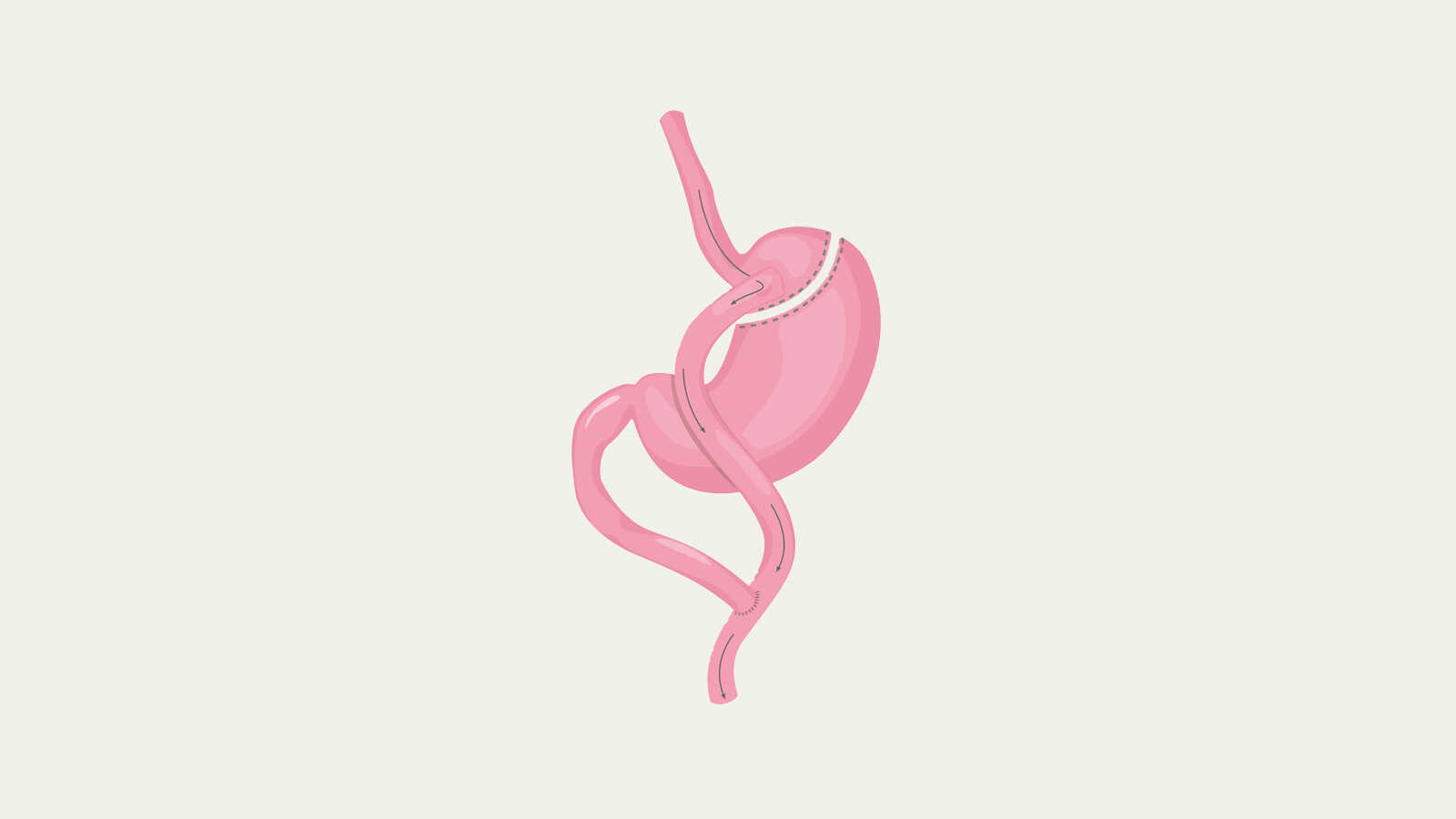
The oldest and most effective method of treating extreme obesity, including diabetes, is the gastric bypass procedure, which surgeons began using in the last century. Gastric bypass works well in the surgical treatment of obesity and obesity-related metabolic disorders. It divides the stomach into a more minor (upper) part that remains functional and a more significant (lower) part that takes out of service during surgery, such as a part of the small intestine. Surgeons generally perform the surgery laparoscopically. Therefore, specialists insert surgical instruments into the abdomen through several small incisions.
| Operation Duration | Length of hospitalization | Recovery Time |
| 2-4 hours | 2-3 days | 3-5 weeks |
The principle of operation is a combination of reducing the volume of the stomach and reducing the space for food absorption. The significant metabolic effect of this operation achieves due to the rapid movement of food to the distant areas of the small intestine. In addition to the slimming effect of the surgery, it also has an essential antidiabetic function. There are several types of gastric bypass, depending on how the surgeon connects the intestine and stomach.
The first is the RYGB (Roux Y gastric bypass) procedure. This variant of the operation is the most common worldwide. Food enters the small upper part of the stomach through its connection with the intestine using two anastomoses (i.e., connections) to the small intestine. The intestine resembles the shape of the letter Y.
Single anastomosis (connected) mini gastric bypass (omega gastric bypass) is the second method. This method is a simpler variant of surgery in which the small intestine connects to the shrunken stomach with a single anastomosis. The part of the stomach where the food passes may be narrower and longer than the other method.
We can define weight loss after gastric bypass as significant and stable. Another positive effect of the surgery is that it provides long-term and considerable improvement in the diabetes problem. The situation improves a few days after the operation. Two years after the bypass, up to 95% of patients can do without diabetes treatment (use of insulin), and blood sugar levels return to average values. After surgery, the body also adjusts blood pressure, drops blood fat, and decreases sleep apnea (breathing problems during sleep). However, overeating after surgery can cause repeated weight gain.
Complications of surgery include, for example, bleeding or damage to the abdominal organs. Peritonitis may develop if problems occur at the point where surgeons stitch the stomach and intestines together after surgery. However, treatment under the guidance of an experienced surgeon in a proven clinic significantly reduces the risk of complications.
After the operation, patients regularly come to the doctor’s check-ups. During these check-ups, surgeons monitor patients’ general health and the correct levels of specific vitamins and minerals. Patients should take special multivitamin supplements containing minerals with a significantly higher content of certain ingredients than commonly available supplements.
What is Gastric Bypass?
Gastric bypass is an effective weight loss or bariatric surgery (weight loss surgery) procedure that reduces the patient’s weight. The food you consume enters the small intestine from the upper part of the stomach through the connection of the stomach with the intestine using two anastomoses (connections). After surgery, the amount of food you eat will limit, the number of calories and nutrients your body absorbs will decrease, and your gut hormones will change to help you feel full for longer. The procedure also helps suppress appetite.
The basic principle of gastric bypass combines restrictive and malabsorptive surgical methods. First, the surgeon completely cuts the stomach a few cm below the cardia with a stapler. This forms the restrictive part of the operation, creating a small proximal gastric pocket (pouch). Surgeons leave the rest of the stomach in place but remove it from food intake and transit altogether.
Specialists connect the small upper part of the stomach to the small intestine 150 cm from the end of the duodenum, where the food then continues to the digestive tract. After eating, the small upper part of the stomach fills up in rapid succession, which leads to a faster feeling of fullness.
The effect of this operation is complex. It contains a restrictive, malabsorptive and hormonal component. The long-term impact of the procedure in weight loss and treatment of type 2 diabetes begins within a few weeks.
Who Should Have Gastric Bypass Procedure?
Ideal candidates for gastric bypass are those with a Body Mass Index of 40 and above. In addition, patients may prefer this procedure if their severe medical condition is due to obesity and their attempts to lose weight under medical supervision have been unsuccessful. To go through this procedure, you must be willing to make healthy lifestyle changes and take all medical precautions. The doctor will understand whether this procedure suits you during the first check-up. In general, you can consider gastric bypass surgery and other bariatric surgery methods in the following situations:
- Having a Body Mass Index (BMI) of 40 or higher (morbid obesity)
- Having a Body Mass Index of 35 to 39.9 and having one of the obesity-related diseases such as type 2 diabetes, high blood pressure, or severe sleep apnea
- In some cases, if a person has a BMI between 30 and 34 and has obesity-related severe diseases, they will be a suitable candidate for some bariatric surgery methods. However, gastric bypass surgery isn’t ideal for all overweight people.
A person must have passed specific medical guidelines to qualify for bariatric surgery. Before surgery, surgeons will perform a thorough screening process. You must also be willing to make permanent changes for a healthy lifestyle. You may need to participate in long-term follow-up programs that monitor your diet, lifestyle and behavior, and medical conditions.
What are the Risks of the Gastric Bypass Process?
All surgical procedures carry certain risks. Surgeons will explain all potential complications of the gastric bypass procedure, both short-term and long-term, and answer any questions you may have. Long-term complication rates are slightly higher than the gastric sleeve procedure. However, with proper care, you can avoid complications.
In general, bariatric surgery risks include reflux, anesthesia-related troubles, chronic nausea, vomiting, inability to eat certain foods or infection. Patients should not take aspirin after surgery. All patients should take vitamins for life after surgery. Failure to do so can lead to long-term vitamin and mineral deficiencies, particularly vitamin B12, iron, calcium, and folic acid. Check out some of the most common risks and complications of gastric bypass in general:
- Bleeding: There is a risk of bleeding that may require additional treatment during or after surgery.
- Infection: As with any surgical procedure, the condition can occur at the incision site or elsewhere in the body.
- Anesthesia risks: There is a risk of anesthesia-related complications, such as allergic reactions or breathing problems.
- Nutritional deficiencies: Gastric bypass surgery significantly reduces the amount of food and nutrients the body absorbs. If you don’t manage it properly, it can lead to nutritional deficiencies.
- Dumping Syndrome: Some patients may experience Dumping Syndrome, a group of symptoms that occur when food moves through the small intestine too quickly. Symptoms may include nausea, vomiting, diarrhea, and dizziness.
- Intestinal obstruction: There is a risk of intestinal obstruction, which occurs when the small intestine is blocked. Symptoms may include abdominal pain, nausea, vomiting, and constipation.
- Stomach staple line leak: There is a risk of leakage from the stomach staple line, which can lead to severe complications and require additional surgery.
It’s important to discuss the risks and potential complications of gastric bypass surgery with your surgeon before the procedure to understand its potential effects on your health entirely. Your surgeon will work with you to minimize risks and ensure the best possible outcome.
What Will You Encounter During a Gastric Bypass Consultation?
During your gastric bypass consultation, surgeons will take the time to discuss and understand your goals and help you prepare for weight loss to achieve the results you want after surgery. In addition, the specialists will describe the whole procedure in detail and answer all your questions about gastric bypass.
Your cooperation, motivation, and psychological state are also crucial for these procedures. Pre-operative exams aim to identify psychological or behavioral risk factors, address problems, and decide whether you are ready for surgery.
You can expect a thorough assessment of your medical history, physical examination, and nutritional status during a gastric bypass consultation. The talk will typically include a discussion of the benefits and risks of this surgery, as well as possible side effects and complications that may occur.
Your surgeon will also ask you about any medical conditions you have and any medications you take. In addition, the surgeon will ask you to pass tests, such as blood work and imaging studies, to assess your general health and suitability for surgery. Your surgeon may also refer you to a nutritionist or healthcare professional for additional evaluation and support.
Overall, this consultation allows you to ask questions, raise concerns, and learn more about the procedure. It’s essential to be honest, and open with your doctor during the consultation so they can fully understand your needs and help you make an informed decision about whether gastric bypass surgery is right for you.
How Should You Prepare for Gastric Bypass Procedure?
If you are a good candidate for gastric bypass, your doctor will give you specific instructions on preparing for the procedure. You may need to pass laboratory tests and examinations before starting the process. You will also need to limit what you eat and drink and what medications you take before the procedure. The doctor may also ask you to build up physical activity before the procedure.
If you have decided on a gastric bypass procedure, it is essential to carefully follow your surgeon’s instructions to prepare for the process. The specific preparation steps may vary depending on your situation, but in general, you can expect the following:
- Follow a specific diet: Your surgeon may recommend that you follow a low-calorie, low-fat diet for a while before surgery to reduce the size of your liver and make surgery safer.
- Stop taking certain medications: Some medications, such as blood thinners, can increase the risk of bleeding during surgery. Your surgeon will advise you on drugs to stop taking before the procedure.
- Go through medical tests: You may need to undergo tests, such as blood work, imaging studies, and cardiac evaluation, to assess your overall health and determine if you are a good candidate for surgery.
- Quit smoking: If you smoke, you must quit at least four to six weeks before surgery to reduce the risk of complications.
- Arrange transportation: You will need someone to drive you home after surgery and stay with you for the first few days of your recovery.
It is essential to follow your surgeon’s instructions carefully and notify them of any changes in your health or medications before surgery. This will help ensure that the surgery goes as smoothly as possible.
How is Gastric Bypass Procedure Performed?
Gastric bypass is a procedure that involves the surgeon creating a small pouch in the upper part of the stomach and connecting it directly to the small intestine. This bypasses the lower abdomen and upper small intestine, reducing the amount of food and calories absorbed. The procedure typically takes place with laparoscopic surgery, which involves making several small incisions in the abdomen and the surgeon using special instruments to perform the surgery. In some cases, open surgery may require. Check out the gastric bypass steps:
- Anesthesia
In the gastric bypass procedure, surgeons typically do it using general anesthesia. This means you will be asleep during the process and not feel any pain. It would be best to tell the anesthesiologist and surgeon about your medications, allergies, or other medical conditions to ensure that the specialist can safely administer the anesthetic.
- Process
The surgeon will create a small pouch above the stomach during the surgery using staples or surgical tape. The pocket will be the size of an egg and only take a small amount of food. The surgeon will then divide the small intestine. After this stage, the surgeon will skip the small intestine’s upper and the stomach’s lower parts. Thus, the specialist will connect the pouch directly to the middle part of the intestine. Finally, the specialist closes the incisions, thus ending the procedure.
Your surgeon will monitor you closely in the recovery room after surgery. You may stay in the hospital for a few days to let the surgeon ensure you are well. You must follow a specific diet and take certain medications to help your body adapt to the changes and prevent complications.
What to Consider After Gastric Bypass Procedure?
This operation is a necessary procedure that can significantly affect your diet and lifestyle. Check out the things to consider after the gastric bypass procedure:
- Diet: After surgery (we explain in detail below), you will need to follow a specific diet to help your stomach and intestines heal and help you lose weight. You will need to start with a liquid diet and gradually move on to solid foods as your body gets used to them. To avoid discomfort and complications, you must also avoid certain foods and beverages, such as sodas and high-fat and high-sugar foods.
- Exercise: Exercise is essential for maintaining a healthy weight and overall health after surgery. However, you will need to start slow and gradually increase your activity level as your body recovers. It is essential to talk to your surgeon about when and how to start exercising and follow their advice.
- Nutrition: Gastric bypass can significantly reduce the amount of food and nutrients your body absorbs. Taking supplements like multivitamins and minerals is essential to ensure you get enough nutrients. You may also need to work with a nutritionist to develop a healthy and balanced eating plan.
- Follow-up care: It is essential to attend all follow-up appointments with your surgeon to monitor your progress and address any concerns or issues that may arise.
A gastric bypass is an effective tool for losing weight and improving certain medical conditions. But it’s not a quick fix and requires a lifelong commitment to healthy habits. Before you decide to have surgery, it’s essential to carefully consider the possible effects on your diet, lifestyle, and overall health.
What is the Recovery Process After Gastric Bypass?
You can only consume small amounts of soft foods and liquids in the first month. However, gradually you will be able to add solid foods to your diet. After a meal, you will quickly notice the feeling of fullness after about two spoonfuls. You can expect to lose half to two-thirds of your excess weight in the first two years.
In most cases, weight loss continues for a year and a half before stabilizing. After the procedure, specialists and doctors will work with you to ensure your recovery goes as smoothly as possible. Check out the recovery process after gastric bypass:
- You will spend several days in the hospital after the procedure.
- It is normal to feel tired, nauseous, and lose appetite these days.
- After ensuring that the surgery is thriving and there are no side effects, the doctor will prepare a detailed treatment and nutrition plan that you will follow at home while deciding whether you are ready to leave the hospital.
- You will stay with liquid food for 2-3 weeks after the operation. You will then move on to light foods and then everyday foods.
- You will have regular appointments to visit the doctor to monitor the procedure’s progress. Here, the first visit will be within 10 to 20 days of gastric bypass surgery, followed by every 6 months, and then a regular annual visit.
- It is normal to feel tired during everyday activities such as walking short distances. After the bypass surgery, you should continue walking regularly and gradually increase the distance until these symptoms disappear within a few weeks.
- You should drink small doses of 1.5 liters to 2 liters of water daily to speed up your recovery and prevent vomiting and nausea.
- In case of some side effects such as high body temperature, increased pain in the operation area, no improvement after the painkillers prescribed by the doctor, or feeling unwell for 12 hours, you should seek medical help immediately.
How Should Nutrition Be After Gastric Bypass?
The diet your surgeon will consider for you depends on your situation and circumstances. However, in general, after gastric bypass surgery, nutrition is divided into several stages. After a while, you will gradually be able to continue eating solid foods. But how long each phase lasts depends on your recovery speed and your body’s ability to adapt to new conditions. All these steps usually end after three months, and you can generally eat after that. At each stage of gastric bypass feeding, you should pay attention to the following:
- To prevent dehydration, drink at least 1-2 liters of water during the day.
- Dumping Syndrome is a severe problem. Eating slowly is the best thing you can do to avoid this problem.
- Eat foods that are rich in protein every day, as recommended by your doctor, incompletely.
- You will be much healthier if you prefer foods and beverages low in sugar and fat.
- It will be perfect for your health not to consume alcohol during this period.
- Possible dehydration can cause many problems. Because of this, it dramatically reduces caffeine intake, which can cause this problem.
- Consume your vitamin supplements daily as recommended by your specialist.
How Long After Gastric Bypass Will You See the Final Result?
Most patients achieve permanent, long-term results from a gastric bypass procedure. Losing weight after surgery depends on changing your eating habits and adding regular exercise to your routine. Good mental health is crucial for sticking to your treatment plan and getting the best possible results. Gastric bypass surgery can be an excellent solution to obesity-related health problems.
You can usually get the final result of the procedure in terms of weight loss within 18-24 months after the procedure. However, the rate of weight loss can vary greatly depending on factors such as the patient’s adherence to a healthy diet and exercise plan, metabolism, and individual condition. During the first few months after surgery, patients typically lose a significant amount of weight as their stomachs adjust to the new size and they begin to adopt healthier eating habits. The rate of weight loss naturally slows after this initial period but may continue for several months or even years.
It is important to note that gastric bypass surgery isn’t a quick fix and requires a lifelong commitment to healthy habits. For best results, patients must follow a nutritious diet, exercise regularly, and go to follow-up appointments with their healthcare team.
In addition to weight loss, gastric bypass surgery can improve or resolve certain medical conditions, such as diabetes and high blood pressure. These improvements can be seen more quickly, sometimes in a few weeks or months after surgery. However, you must continue to take medications and follow treatment plans as recommended by your healthcare team.
How Much Does Gastric Bypass Cost?
Gastric bypass cost can vary widely depending on several factors, including the location of the surgery, the surgeon’s fees, and the location. For example, the average cost of gastric bypass in the United States is about $15000 to $35000. The price may also vary depending on whether the surgery is done on an outpatient basis or requires an overnight hospital stay.
Gastric bypass surgery is a major procedure and expensive, but it can also have significant health benefits and be an effective tool for weight loss and healing certain medical conditions. Considering surgery, it’s essential to carefully weigh the costs and benefits and discuss your options with your surgeon and insurance provider.
In Which Countries is the Cheapest Gastric Bypass Procedure Performed?
Gastric bypass prices can vary greatly depending on several factors. As a result, it is difficult to determine which countries have the cheapest gastric bypass procedures.
However, it is generally true that the cost of medical procedures, including gastric bypass surgery, is lower in developing countries compared to developed countries. This is often due to differences in labor costs and availability of medical resources, among other expenses.
It is important to note that while the procedure cost may be lower in some countries, the quality of care may not be the same as in others. It is essential to carefully investigate the reputation and qualifications of the surgeon, the facility where the surgery will perform, and any potential risks or complications that may arise.
Considering this surgery and traveling to another country, it is crucial to carefully weigh the costs and benefits and discuss your options with your healthcare team. It may also be helpful to research the experiences of other patients treated in the country you are considering. Here are the gastric bypass costs by country:
| COUNTRY | COST |
| United States | $15000 to $35000 |
| Brazil | $10000 to $15500 |
| China | $14550 to $21000 |
| Japan | $15750 to $26500 |
| South Korea | $7700 to $20000 |
| India | $7000 to $9000 |
| Argentina | $11000 to $14000 |
| Mexico | $5100 to $10000 |
| Germany | $11500 to $25000 |
| Turkey | $3500 to $6000 |
| Colombia | $5250 to $11000 |
| Italy | $12000 to $24760 |
| France | $12000 to $25500 |
| Spain | $12000 to $23500 |
| Taiwan | $5550 to $12000 |
| Venezuela | $5300 to $9850 |
| United Kingdom | $16000 to $28000 |
| Netherlands | $11500 to $24200 |
| Egypt | $6000 to $12000 |
| Peru | $6850 to $13500 |
| AVERAGE COST | $3500 to $35000 |
Attention: For Information Purposes Only
Please note that the content of this website is not a substitute for professional medical advice. You should always consult a specialist surgeon for personal guidance.
References
https://www.ncbi.nlm.nih.gov/pmc/articles/PMC1387676/
https://www.surgical.theclinics.com/article/S0039-6109(05)70185-7/abstract
https://link.springer.com/article/10.1007/s002689900496
https://www.nejm.org/doi/full/10.1056/NEJMoa066603
https://academic.oup.com/ajcn/article-abstract/55/2/560S/4715343
https://link.springer.com/article/10.1381/096089201321336584
https://www.ncbi.nlm.nih.gov/pmc/articles/PMC1344001/
https://pubmed.ncbi.nlm.nih.gov/31985950/